About Sandy Point State Park
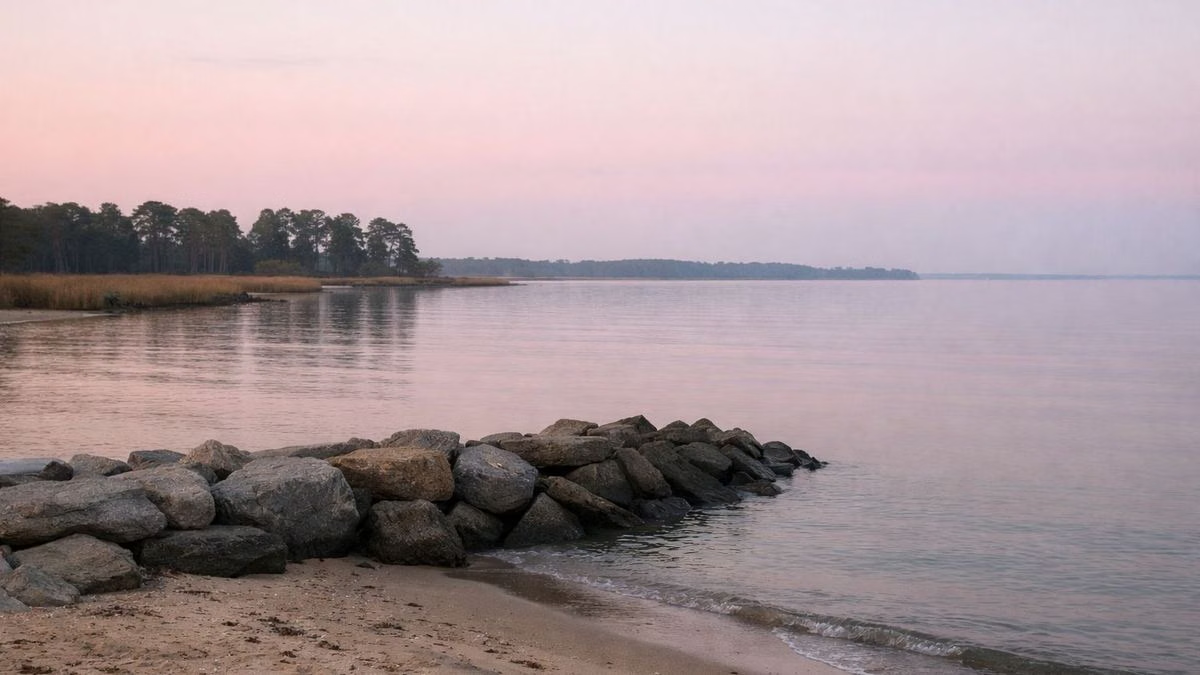
Sandy Point State Park is a 786-acre Maryland state park in Annapolis on the northwestern shore of the Chesapeake Bay, at the western end of the Bay Bridge. It opened in the summer of 1952 as the first bayside state park near Annapolis, Baltimore and Washington, D.C. It opened with segregated beaches, and a federal court case argued by NAACP lawyers, Thurgood Marshall among them, forced it to integrate in 1956.
The Park at a Glance
Before the Park
No American Indian archaeological sites are known in the park itself, but Algonquin-speaking peoples lived in the area for centuries. Raids by the Susquehannocks and Massawomecks from the upper Bay pushed them south toward the Patuxent River in the late 1500s, so when Captain John Smith explored this part of the Bay in 1608, no one was living at the point. NOAA keeps an interpretive buoy at the mouth of the Severn River that tells the story of his voyage.
English colonists settled the Broadneck Peninsula in the mid-1600s and grew tobacco, first with indentured servants and later with enslaved Africans. Early maps call this place Rattlesnake Point. The name Sandy Point had taken hold by the late 1700s, most likely from its sandy beach and offshore shoals.
The Sandy Point Mansion
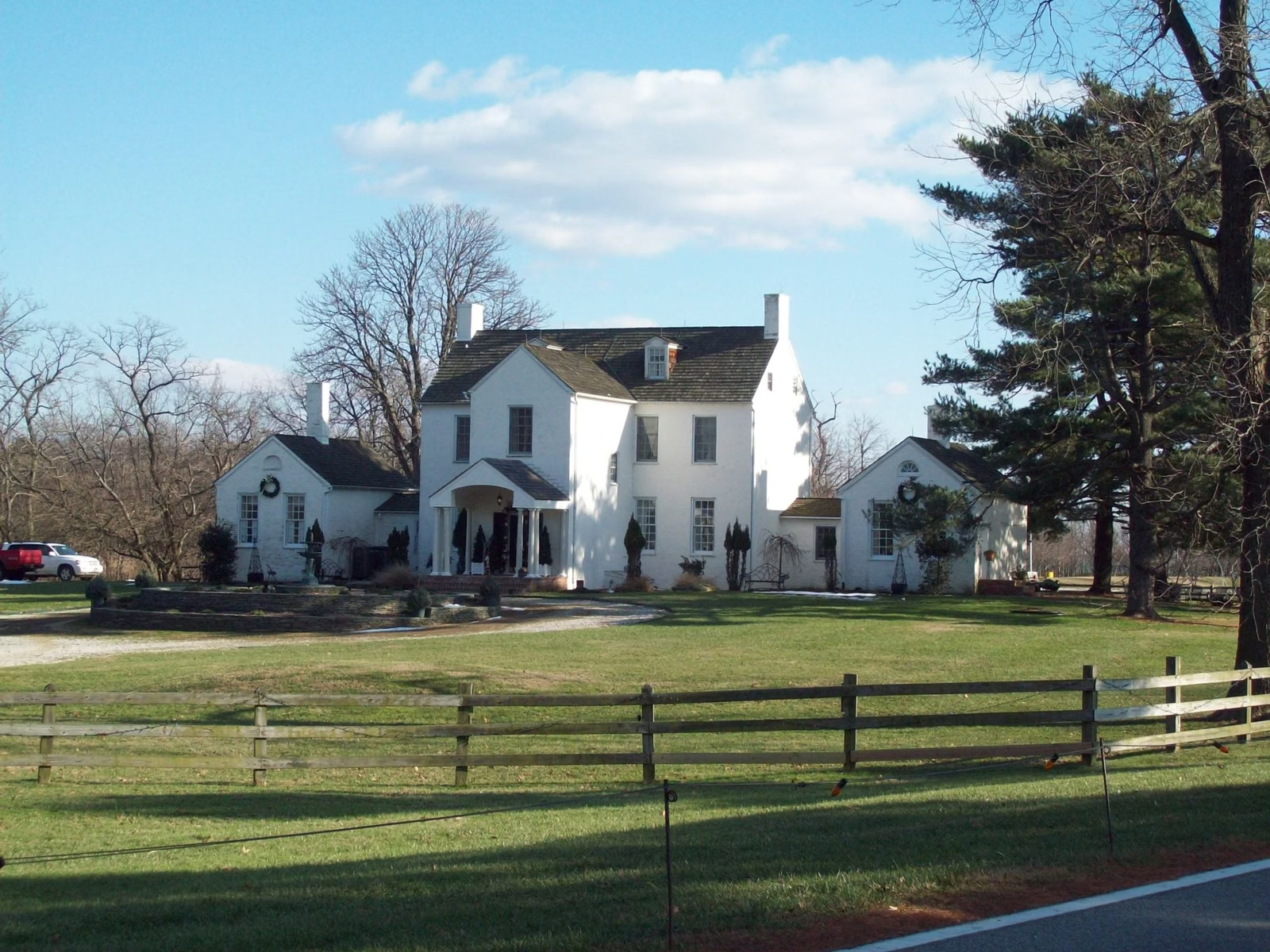
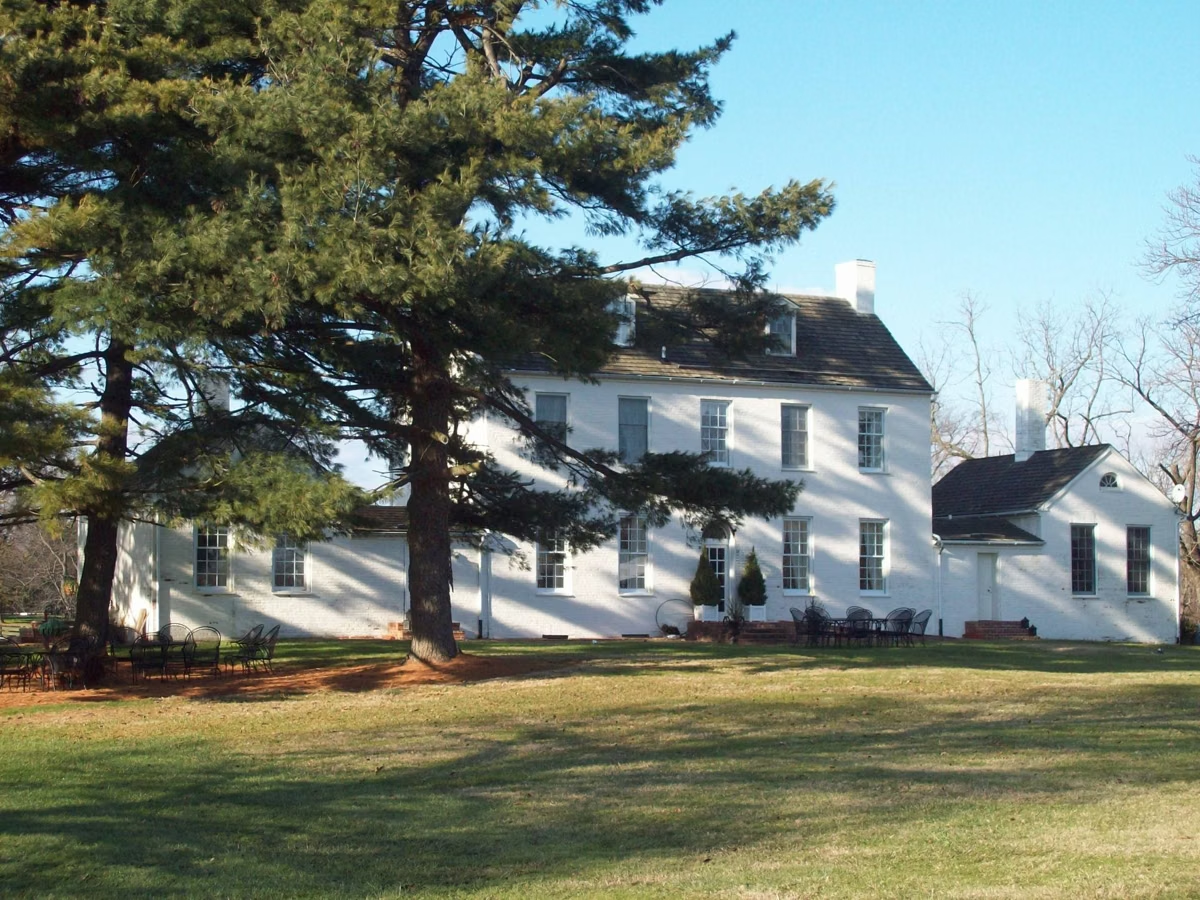
In 1818 Henry Mayer bought the farm here. In 1820 he held 22 enslaved African Americans who worked his tobacco and grain fields. The large brick house he likely built in the early 1800s still stands as the Sandy Point Mansion, also called the Sandy Point Farmhouse, Tryall or Scotland. The Maryland Historical Trust calls it an excellent example of an affluent Maryland farmer's home of the early 19th century, and it has been on the National Register of Historic Places since 1972.
Baltimore shipmaster Baptist Mesick bought the property in 1833. The farm moved away from tobacco to grain, watermelons, strawberries and pumpkins. During the Civil War, William Evans, an enslaved resident of Sandy Point, freed himself, joined the U.S. Colored Troops and later served in the U.S. Navy.
Today the Mansion is in Maryland DNR's Resident Curatorship program, and the curator is restoring it to its 19th-century look. It is a private home and not open to the public, but you can see it from the main park road; it is occasionally opened on special occasions.
The Lighthouses
The U.S. Lighthouse Board built a brick lighthouse on the shore here in the 1850s. It was in a poor spot, and in 1883 the offshore Sandy Point Shoal Light replaced it. That caisson light is still standing, privately owned. See the lighthouse page.
Holly Beach Farm
In the early 1900s Sylvester Labrot of New Orleans bought the land. His son William H. Labrot renamed it Holly Beach Farm and made it one of Maryland's most successful horse breeding farms. In 1949 he sold 685 acres to the State of Maryland for a new park, and several state agencies spent three years planning and building it.
A Segregated Opening, 1952
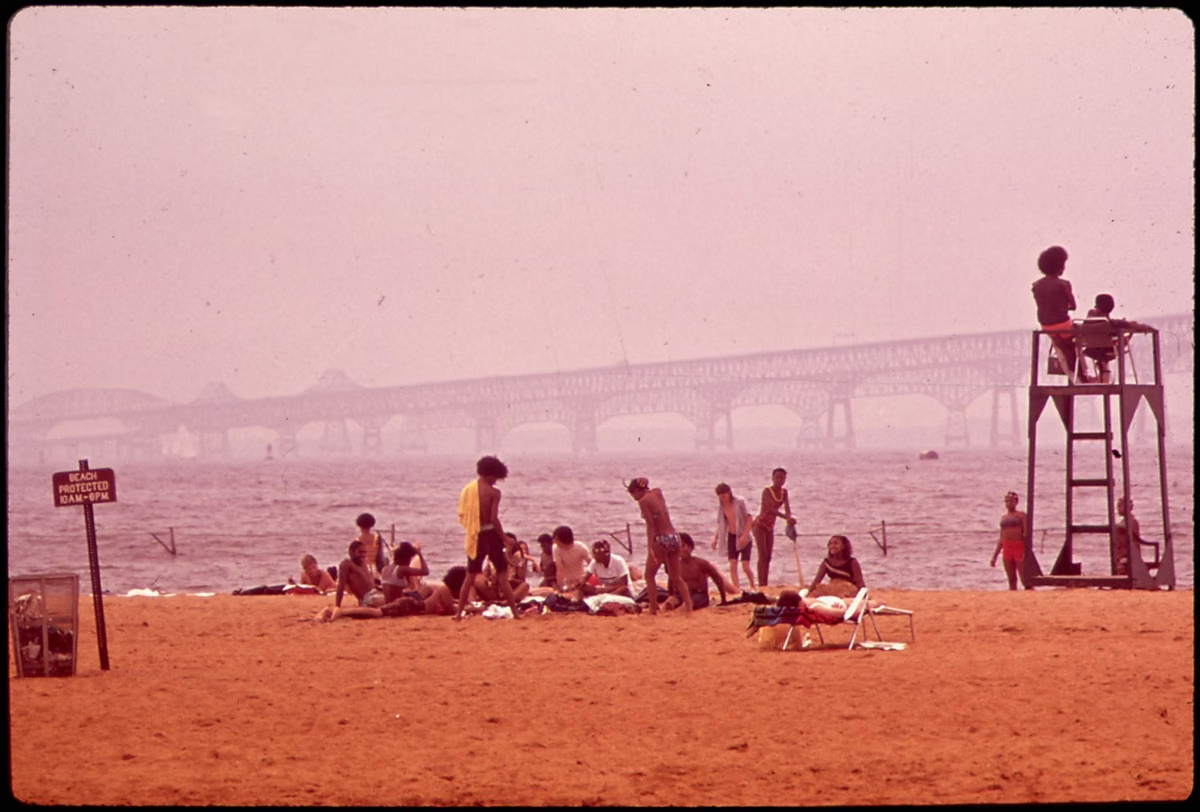
When Sandy Point State Park opened in the summer of 1952, its two beaches were segregated by race. White visitors used the wide South Beach. Black visitors were sent to the smaller East Beach, which had smaller restrooms and was muddy and covered with rocks and debris at first. Signs at a fork in the road and a park official directed each group.
Within a month, NAACP lawyers sued the State of Maryland in federal court, arguing the beaches were unequal. The first suit failed. A second, argued by a team including Tucker Dearing, Linwood Koger Jr., Juanita Mitchell, Robert L. Carter, Jack Greenberg and Thurgood Marshall, succeeded: in March 1955 the U.S. Court of Appeals for the Fourth Circuit ruled for the NAACP in *Lonesome v. Maxwell*. Maryland appealed, and the U.S. Supreme Court declined to hear the case, leaving in place the ruling that segregated public beaches and bathhouses were unconstitutional.
Sandy Point reopened as an integrated park on Memorial Day weekend 1956. Maryland DNR says the case, together with a similar one at Fort Smallwood County Park, helped end segregation at public parks and beaches across the country.
Sandy Point Today
Sandy Point grew into one of Maryland's most popular state parks, busy enough that summer weekends now need a day-use reservation. The park has waysides on the Sandy Point Shoal Light Station, the War of 1812 and the Civil War. DNR says new waysides on the segregation period are coming, and a planned, expanded visitor center will tell that story too.
The park is run by the Maryland Park Service, part of the Maryland Department of Natural Resources. It also hosts big annual events, from the Polar Bear Plunge to Lights on the Bay.
About Sandy Point State Park FAQ
When did Sandy Point State Park open?
In the summer of 1952. DNR's park page gives June 25, 1952, and its history page says Fourth of July weekend.
Was Sandy Point State Park segregated?
Yes. When it opened in 1952, South Beach was for white visitors and East Beach for Black visitors. After the 1955 Lonesome v. Maxwell ruling, it opened integrated on Memorial Day weekend 1956.
How big is Sandy Point State Park?
786 acres, according to Maryland DNR.
What was Sandy Point called before?
Early maps call it Rattlesnake Point. In the early 1900s the farm was Holly Beach Farm, a horse breeding farm.
Can you tour the Sandy Point Mansion?
Not normally. It is a private residence under DNR's curatorship program, visible from the park road and occasionally opened for special occasions.